
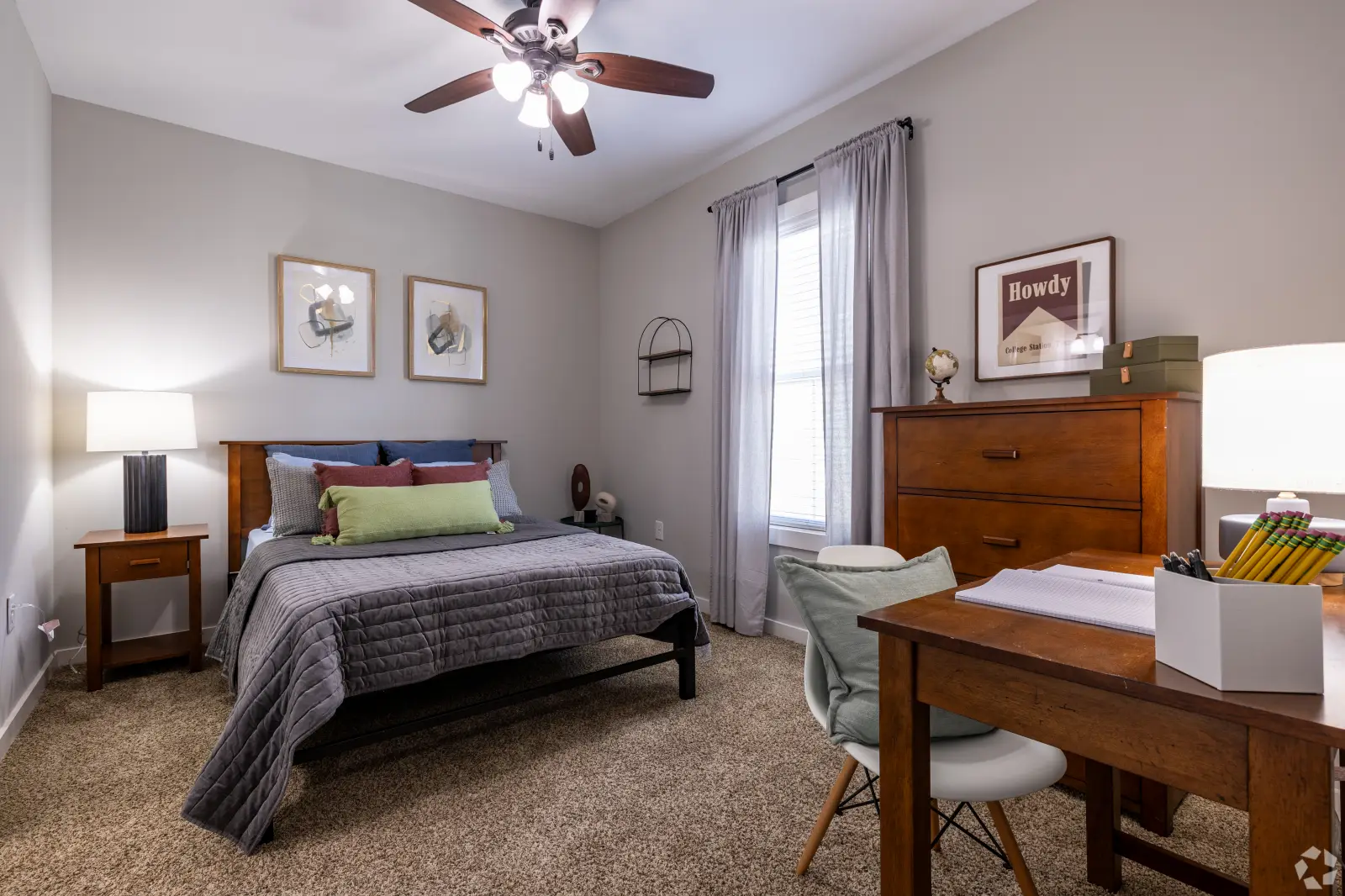
Coming to Aggieland Orientation? Here’s How to Tour Off Campus Apartments TAMU Efficiently
Orientation can feel like a lot in the best way. You’re learning campus traditions, figuring out where things are, trying to remember names, maybe buying one too many maroon shirts. And somewhere in the middle of all that, someone usually says, “We should probably look at housing too.”
If you’re coming to College Station for Aggieland orientation, it’s actually a smart time to tour off campus apartments TAMU. You’re already in town, your student is starting to picture life here, and the fall semester suddenly feels much more real. The trick is making the most of the visit without turning the whole trip into a stressful housing marathon.
A good tour does not have to take all day. You just need a plan, a short list of questions, and a clear sense of what matters most.
Start by narrowing down what you want to see
Before you tour, take a few minutes to look through the website. This sounds obvious, but it helps more than people think. If you walk in with no context at all, every floor plan and amenity can blur together.
Start with the floor plans. Think about bedroom count, shared space, and how much privacy your student wants. Some students want a larger roommate setup with more energy. Others want something a little calmer. Neither is wrong.
Then skim the amenities page. Do not just look for the “fun” features, although those matter too. Look for things that support daily life: study spaces, fitness options, community areas, and practical conveniences that make the week easier.
Build your tour around your real orientation schedule
Orientation days can be full. There are sessions, campus errands, family conversations, and usually a few moments where everyone needs food immediately. So it helps to treat housing tours like a scheduled part of the trip, not something you’ll “fit in somewhere.”
If you’re touring off campus apartments TAMU while in town, try to give yourself enough time to actually absorb what you’re seeing. Rushing through a tour in between commitments can make every option feel the same. Even 30 focused minutes is better than an hour where you’re distracted and checking the clock.
Use the contact page to ask about tour options before you arrive. That way, you can plan around your orientation schedule instead of guessing once you’re already in College Station.
Know what questions to ask on the tour
A tour is more useful when you know what you’re trying to learn. Photos can show you what a space looks like, but questions help you understand how it works.
Here are a few worth asking:
- Which floor plans are currently available?
- What features are included in the home?
- How does roommate matching or placement work?
- What amenities do residents tend to use most often?
- How do residents submit maintenance requests?
- What should students prepare before move-in?
None of these questions are too much. Honestly, they’re the kind of questions that make the whole process feel more grounded. You are not just touring a model space. You are trying to understand whether the community fits a real student routine.
Pay attention to the layout, not just the finishes
It’s easy to notice furniture, flooring, and decor first. That’s normal. But when you’re comparing off campus apartments TAMU, the layout may matter more over time.
Look at how the common areas are arranged. Can roommates comfortably cook, study, or hang out without feeling stacked on top of each other? Do the bedrooms feel like they offer enough personal space? Does the home support both social time and alone time?
At The Cottages of College Station, the cottage-style setup can feel different from a more traditional apartment layout. There’s a neighborhood-style quality to it, which some students really like once they imagine everyday life there. It feels a little less like passing through a building and more like coming home to your own space.
Use the location as part of the decision
When you’re in town for orientation, you get a better sense of College Station than you can from a map alone. So use that. Think about how the location fits your student’s normal routine: campus, groceries, errands, studying, friends, and downtime.
The location page is a helpful starting point, but being physically in town can make the decision feel more concrete. You can picture how a weekday might actually flow.
That said, do not overcomplicate it. The goal is not to predict every single detail of college life. You just want to know whether the location feels workable for the way your student will move through the semester.
Take notes right after the tour
This is such a small thing, but it helps. After a tour, write down what stood out while it’s still fresh. Not a perfect spreadsheet. Just a few honest notes.
- What did your student like immediately?
- What questions still need answers?
- Which floor plan felt most realistic?
- What amenities seemed genuinely useful?
- Did the community feel like a good personality fit?
If you tour more than one place in a day, everything starts blending together fast. A few notes can save you from the classic “Wait, which one had that layout?” conversation later.
Do not wait too long to follow up
After orientation, it’s easy to go home and think, “We’ll decide soon.” And then suddenly two weeks pass. May and June move quickly, especially for student housing near a major university.
If The Cottages feels like a fit, follow up with the team through the contact page to confirm current options and next steps. You can also revisit the gallery if you need a visual refresher before making a decision.
The point is not to rush into something blindly. It’s to keep the process moving while the details are still clear in your mind.
Key Takeaways
- Orientation is a smart time to tour off campus apartments TAMU because you’re already in College Station and thinking ahead to fall.
- Review floor plans, amenities, location, and gallery pages before touring so the visit feels focused.
- Ask practical questions about availability, included features, roommate matching, amenities, and maintenance processes.
- Pay attention to layout and daily routine fit, not just finishes or photos.
- Take quick notes after the tour and follow up while the details are still fresh.